
THE ESSENTIAL
A private well water system delivers fresh groundwater directly from underground aquifers to your household faucets, completely bypassing municipal grids and water bills.
- Over 13 million households in the United States rely on private wells for their daily household water needs.
- Installing a complete system in 2026 ranges from $5,000 to $15,000 depending on drilling depth, soil geology, and equipment choices.
- Homeowners bear 100% of the responsibility for water safety testing, system maintenance, and electrical power.
While the water itself is completely free, managing how does well water work requires consistent monitoring and a reliable power source to prevent system failures.
What is Well Water and How Does It Differ from City Water?
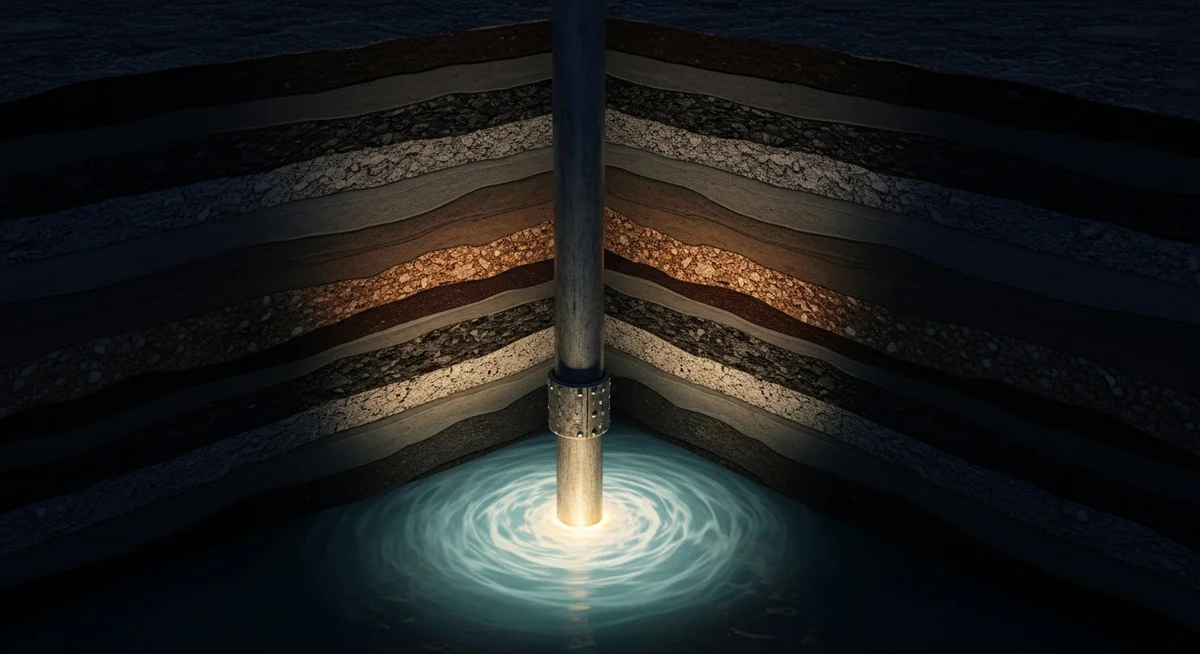
Well water is untreated groundwater drawn from underground aquifers, which are natural layers of water-bearing rock, gravel, or sand deep below the Earth’s surface. Unlike municipal water, it is not treated with chemicals like chlorine or distributed by a local government utility. The water flows naturally from the surrounding environment into a drilled shaft on your property.
The main difference between well water and city water lies in infrastructure ownership and regulatory oversight. With city water, the local municipality filters, disinfects, and pumps the water, charging you a monthly fee. With well water, you own the infrastructure, pay no usage bills, but must handle the treatment yourself to ensure it remains safe.
According to the US Geological Survey (USGS), groundwater is often richer in minerals than surface water because it spends years filtering through rock. This natural filtration can make the water taste crisper, though it also means the mineral content is higher. Understanding these distinctions is fundamental to mastering well water basics.
The Core Components of a Well Water System
To understand how does a home well system work, you must look at its mechanical backbone. This infrastructure bridges the deep underground aquifer with your home plumbing. It relies on 3 primary components to deliver reliable pressure and water flow.
The Well Casing and Screen
The well casing is a long tube, typically made of carbon steel or heavy-duty PVC plastic, that lines the drilled hole. It prevents the surrounding dirt, rocks, and surface contaminants from collapsing into your clean water column. At the very bottom, a slotted screen filters out large sediment and sand while allowing water to flow freely into the well.
The Well Pump (Jet vs. Submersible)
The pump acts as the heart of the system, pushing or pulling the liquid upward. Shallow wells under 25 feet deep often use a surface-mounted jet pump to pull water up through suction. Deep wells require a submersible pump, which is lowered deep into the water column and pushes the water upward, which is far more efficient for depths up to 1,000 feet.
The Pressure Tank
A pressure tank keeps water pressurized throughout your home without forcing the pump to turn on every single time you open a faucet. Inside the tank, an air bladder compresses as water is pumped in, creating steady pressure. Once the pressure drops to a set limit (usually 30 to 50 psi), a physical pressure switch signals the pump to run again.
How Does Well Water Work to Reach Your Tap?
Getting water from an underground aquifer to your kitchen sink involves a highly coordinated sequence. Each piece of equipment must work in harmony to maintain constant water flow. Here is how the process flows step by step:
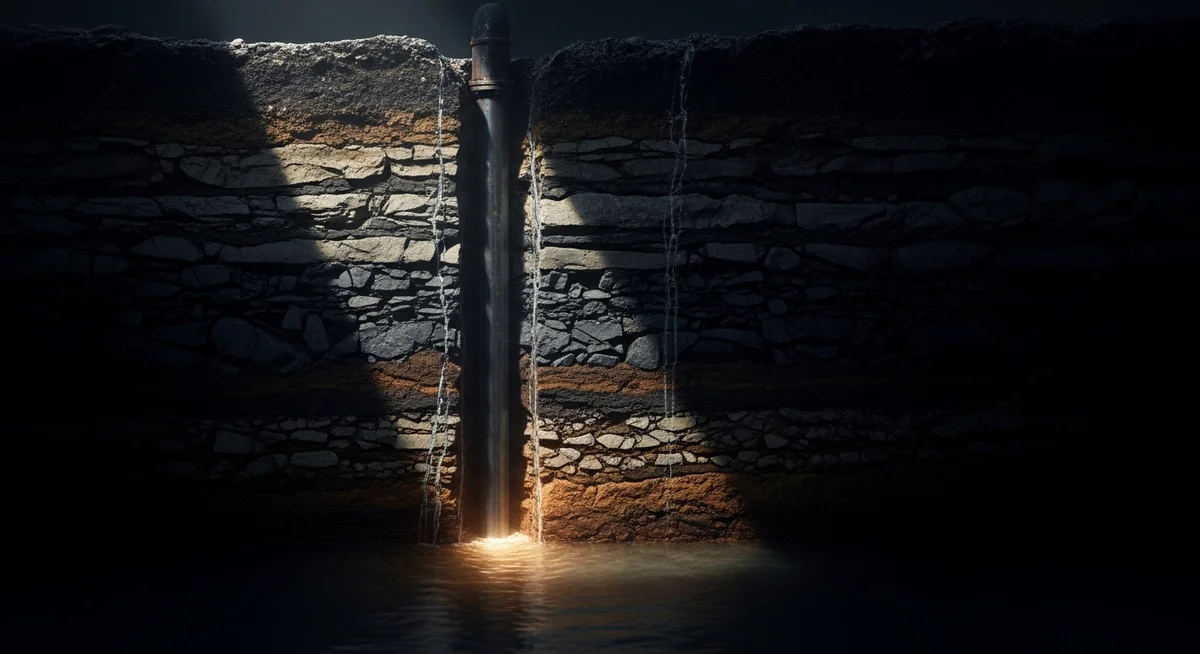
- Sourcing: Rainwater and snowmelt slowly seep through soil layers into the aquifer, naturally filtering out large debris before entering the well casing.
- Extraction: The electric well pump activates, pulling or pushing water through the drop pipe toward the surface.
- Pressurization: Water enters the household pressure tank, compressing the internal air bladder to build up plumbing pressure.
- Distribution: When you open a tap, the compressed air in the tank forces the water out through your pipes to your faucet.
Common Types of Water Wells
Not all water wells are constructed the same way. The geology of your land and the depth of the local water table dictate which type is required on your property.
- Dug Wells: Created using shovels or backhoes, these shallow wells are usually less than 30 feet deep. They are highly susceptible to seasonal drought and surface runoff contamination.
- Driven Wells: Constructed by driving a small-diameter pipe into loose, sandy soil. They reach depths of up to 50 feet but remain highly vulnerable to localized surface pollution.
- Drilled Wells: Created using rotary drilling rigs that penetrate solid rock hundreds of feet deep. These are the most common modern wells, tapping into deep, highly protected aquifers.
Pros and Cons of Well Water
Operating an independent water system offers significant freedom, but it comes with distinct physical and financial trade-offs. Understanding these pros and cons is essential before committing to a rural property.
Advantages of Well Water
- No Monthly Bills: Once the initial installation is paid, you pay nothing to the city for the water you consume.
- Natural Mineral Richness: Well water is often packed with beneficial minerals like calcium and magnesium that municipal systems sometimes filter out.
- Grid Independence: You are completely unaffected by city water main breaks, municipal contamination alerts, or rising utility rates.
Challenges and Responsibilities
- Power Dependency: Because well pumps run on electricity, a power outage means you have no running water unless you own a backup generator.
- Maintenance Costs: Homeowners must pay out of pocket for any mechanical failures, pipe leaks, or pump replacements.
- Contamination Risks: Agricultural runoff, industrial chemicals, or septic failures can pollute your well without warning.
Well Water Quality, Testing, and Safety
How clean is well water compared to treated municipal water? While groundwater is naturally filtered by earth layers, it remains vulnerable to invisible chemical and biological hazards.
Common Contaminants to Watch For
- Bacteria and Pathogens: Coliform and E. coli can seep into shallow wells from agricultural runoff or failing septic tanks.
- Heavy Metals: Lead, arsenic, and iron can occur naturally in rock formations or leach from older household plumbing.
- Nitrates and Pesticides: These agricultural chemicals commonly migrate from nearby farm fields into shallow aquifers.
How and When to Test Your Water
The US Environmental Protection Agency (EPA) recommends testing your well water at least once a year for bacteria, nitrates, and local contaminants. You should also run a professional lab test if you notice sudden changes in color, taste, or odor. Always consult your local county health department or agricultural extension for regional water guidelines.
Common Filtration and Treatment Solutions
Most well owners install some form of filtration to ensure peace of mind. Sediment filters remove physical dirt and rust flakes before they reach your plumbing. Water softeners neutralize hard minerals like calcium and magnesium, while ultraviolet (UV) purifiers or reverse osmosis systems eliminate harmful biological pathogens and dissolved solids.
Essential Maintenance Tips for Well Owners
To keep your private water system functioning smoothly in 2026, routine preventative care is mandatory. Neglecting these tasks can lead to dry wells or costly equipment failures.
- Inspect the Well Cap: Ensure the sanitary well cap is tightly sealed and elevated at least 12 inches above the ground to block insects and surface water.
- Maintain a Safe Buffer Zone: Keep fertilizers, pesticides, livestock waste, and septic systems at least 100 feet away from the wellhead.
- Schedule Professional Inspections: Hire a certified well contractor every 3 to 5 years to test pump performance, check electrical systems, and measure water levels.
- Monitor Electrical Consumption: A sudden increase in your electric bill or a constantly running pump often signals a pressure tank failure or a deep well leak.