
AT A GLANCE
A rural family rides out a winter storm safely by preparing heat, drinking water, communication, and animal care before the first road closure. A generator alone will not solve frozen pipes, blocked access, or a failed well pump.
- Store at least 3 days of drinking water, with more if your well or pump needs electricity.
- Keep a charged power bank, battery radio, headlamps, medicines, and food that needs no cooking.
- Protect pipes with insulation and controlled heat, but never heat a room with an oven, barbecue, or fuel-burning appliance made for outdoor use.
- Plan for 2 routes out, a meeting point, and a neighbour who can check livestock if roads close.
Your main variable is the length of the power cut, because a rural home can lose water, heating, lighting, and phone service at the same time.
How do you prepare your family and off-grid home before the storm?
Prepare the house and household at least 24 to 48 hours before the forecasted arrival. Charge devices, bring vulnerable animals closer to shelter, clear access around the house, and test every heating and lighting system while conditions are still safe.
For an off-grid property, write down what depends on electricity: the well pump, pressure booster, septic pump, electric fence, boiler controls, milking equipment, gate motor, and internet router. A paper list prevents you from discovering the dependency during a blackout.
What should go in a winter storm survival kit?
A winter storm survival kit should cover warmth, water, first aid, communication, and basic repairs for every person in the home. Keep it in a marked, accessible cupboard rather than in a locked shed that may become unreachable.
- Water: store a minimum of 3 litres per person per day for drinking and basic food preparation, plus separate water for pets and livestock. The figure is a practical baseline, not a substitute for local emergency advice.
- Food: keep 3 days of shelf-stable food, a manual can opener, infant supplies, and food suited to medical diets. Include a camping stove only if you can use it outdoors or in the exact ventilated conditions stated by its manufacturer.
- Light and communication: use headlamps, spare batteries, a battery or hand-crank radio, charged power banks, and a written list of phone numbers. Do not rely on a smartphone for every warning.
- Warmth and health: pack blankets, dry socks, gloves, hats, prescription medicines, first-aid supplies, nappies, hygiene products, and any equipment needed for mobility or breathing.
- Tools: keep a shovel, ice scraper, work gloves, duct tape, cable ties, a fire extinguisher, spare fuses, and basic pipe-repair materials indoors. A fuel can stored outside may be inaccessible after heavy snow.
How do you plan for power, heat, water, and food loss?
Rank your systems in this order: human safety, heating, drinking water, communications, sanitation, animal care, and food refrigeration. Buy only the backup capacity you can install and operate safely, with 2026 prices commonly ranging from €250 to €900 for a portable inverter generator and €800 to €2,500 for a professionally installed home backup system, excluding major electrical work.
- Test the generator under load before winter. A qualified electrician is needed to install a transfer switch, because connecting a generator directly to a household socket can energise the grid and kill a worker.
- Store fuel in approved containers, away from flames and living areas. Check the manufacturer’s storage limits and your local fire-safety rules, which may be stricter in a shed or farm building.
- For a private well, fill clean containers before the storm and identify a non-electric backup source. If water quality becomes uncertain, follow the local authority’s instructions and use a safe treatment method rather than guessing.
- Keep refrigerator and freezer doors closed during an outage. Discard food that has an unusual smell, leaked raw meat, or stayed warm for an unknown period.
- Protect exposed pipes, tanks, and pump rooms with insulation and safe heat. If your installation includes a septic pump or treatment unit, check its alarm and backup procedure before the ground freezes.
For a well system, water hardness and mineral deposits can reduce flow and damage equipment over time. Before winter, review how to remove excess calcium and magnesium from rural water, but do not modify a drinking-water system during an emergency unless you understand the treatment and hygiene risks.
How do you stay warm, safe, and connected during the storm?
Stay in one heated room, close doors to unused areas, and monitor everyone for confusion, extreme tiredness, slurred speech, or uncontrollable shivering. These can indicate cold stress or carbon monoxide exposure and require immediate action.
How should you dress in dry, insulating layers?
Wear several loose layers, keep the outer layer windproof, and replace damp clothing quickly. The most useful combination is a moisture-managing base layer, an insulating middle layer, a windproof outer layer, wool or synthetic socks, a hat, gloves, and dry footwear.
- Keep spare clothes and blankets in sealed plastic bags, especially for children and older adults.
- Remove wet cotton layers because they lose insulation when damp.
- Check fingers, toes, ears, and noses regularly for numbness, pale skin, or hard patches.
- Do not put a person with suspected frostbite directly against a radiator or into very hot water. Warm gradually and seek medical advice.
How do you use generators, wood stoves, and alternative heat safely?
Use a portable generator outdoors, well away from doors, windows, and air intakes. Never run it in a garage, barn, cellar, porch, or lean-to, even with the door open, because carbon monoxide is invisible and can accumulate quickly.
- Install carbon monoxide alarms near sleeping areas and test them before winter.
- Keep at least 1 metre of clear space around portable heaters unless the manufacturer requires more.
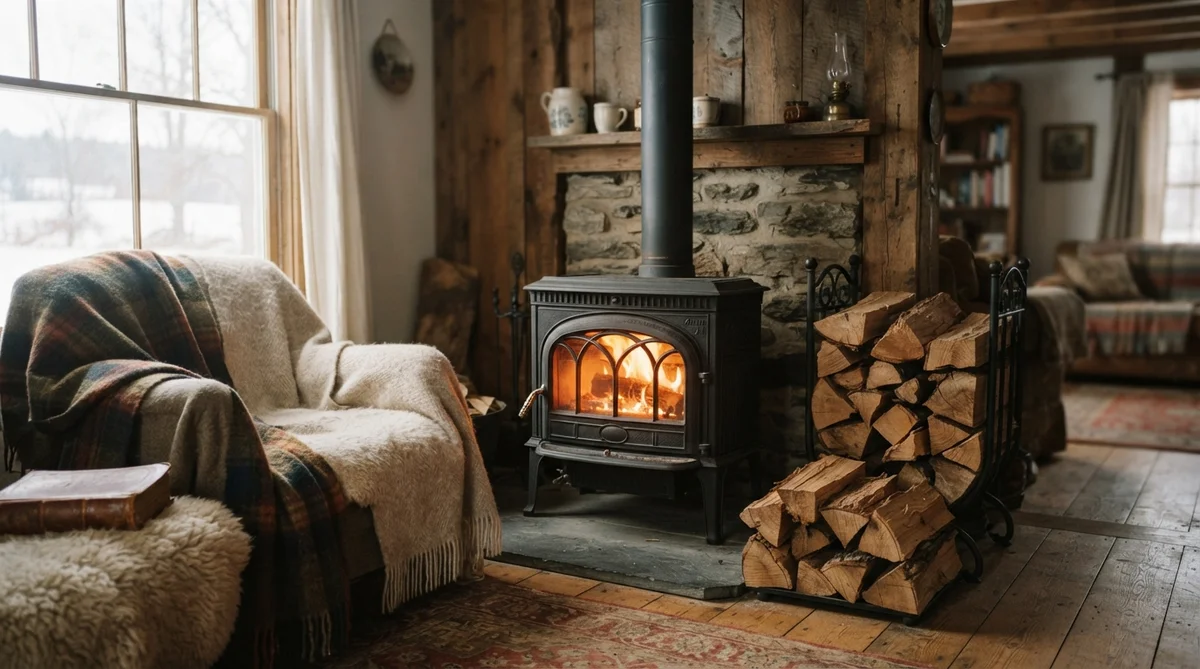
- Use dry, properly seasoned wood in a maintained stove, and keep the stove door closed while burning.
- Do not burn treated timber, painted boards, rubbish, or improvised materials.
- Have a chimney professional inspect a stove flue after modifications, a chimney fire, or a long period without maintenance.
The French health agency ANSES warns that carbon monoxide poisoning can result from combustion appliances used incorrectly or in poorly ventilated spaces. If anyone develops headache, nausea, dizziness, or unusual weakness, open doors if safe, leave the building, call 112 or 18 in France, and do not re-enter until advised.
How do you handle food, water, lighting, and sanitation without utilities?
Use headlamps rather than candles for routine movement, and keep flames away from bedding, curtains, hay, and fuel. If you must use candles, place them in stable holders and never leave them burning while people sleep.
- Use sealed drinking-water containers and a clean ladle. Do not dip dirty cups or hands into stored water.
- Keep a covered bucket or emergency toilet system ready if the water supply or sewage pump stops. Line it according to the product instructions and wash hands after every use.
- Do not flush repeatedly when a septic pump is without power. Check the tank and alarm instructions, then contact the installer if wastewater backs up.
- Keep one phone switched off to preserve battery, and send brief text messages because they may work when voice calls are congested.
The Service-Public.fr emergency guidance recommends following official alerts and contacting emergency services when life, health, or immediate safety is threatened. Check your mairie and local prefecture channels because shelter locations, road closures, and assistance arrangements vary by commune.
How do you care for children, older adults, pets, and livestock?
Children, older adults, people with disabilities, and animals lose heat or become dehydrated faster than healthy adults. Assign one person to check each vulnerable household member and animal group at fixed times, with the checks written on paper.
- Keep children away from generators, fuel, chainsaws, ponds, frozen troughs, and snow-loaded outbuildings. Give them a simple indoor task, such as sorting batteries or checking the family water list.
- Ask older adults about medicines, heating needs, mobility, and phone access before the storm. Arrange a neighbour check if they live alone.
- Bring dogs, cats, poultry, and small livestock into dry, draft-free shelter. Provide unfrozen water, extra bedding, and enough feed for at least 3 days.
- Do not assume livestock can reach a frozen trough. Break ice safely or use a frost-protected waterer designed for the temperature and power available.
- Keep animal medicines, identification records, halters, carriers, and feed where you can reach them without crossing an exposed yard.
For permanent farm water planning, see this guide to clean water and filtration for farm animals. Ask your veterinarian or Chambre d’agriculture about species-specific cold, water, and feed requirements.
How do you manage travel, farm work, and vehicles in winter weather?
Postpone non-essential travel when roads are icy, visibility is poor, or authorities advise against driving. On a rural property, a short trip can become a rescue problem when a lane is blocked by a fallen tree or a snow drift.
- Keep each vehicle above half a tank of fuel, check battery condition, inspect tyres, and carry a shovel, reflective vest, blanket, water, food, phone charger, and warning triangle.
- Clear snow from the exhaust pipe before starting a vehicle. Never warm a vehicle in a closed garage, even with the door partly open.
- Tell a neighbour where you are going and when you expect to return. If you become stranded, stay with the vehicle unless emergency responders tell you to leave.
- Do not walk onto frozen ponds, tanks, or streams to rescue an animal. Use a long line or call trained help.
- Stop farm work when wind, ice, or darkness makes machinery unstable. Keep people away from collapsed roofs, damaged power lines, and trees under tension.
Chainsaws, tractors, and snow blowers need a clear work zone and the correct protective equipment. For engine maintenance before the season, follow a documented procedure such as this guide on servicing a small engine safely, and call a professional for damaged fuel systems, electrical faults, or machinery trapped under a structure.
When should you shelter, evacuate, or seek help?
Shelter in place when the house remains structurally sound, you have safe heat and water, and authorities have not ordered evacuation. Leave early when heating fails, carbon monoxide is suspected, the roof or walls are damaged, floodwater threatens the property, or someone needs medical care that cannot wait.
- Call 112 for an urgent emergency in France, or 18 for fire and rescue. Use the local emergency number if you are outside France.
- Evacuate before roads become impassable if an official alert identifies your area, especially when you rely on electric heating, oxygen equipment, or a powered well.
- Take medicines, identity documents, warm clothing, pet carriers, animal records, water, and phone chargers. Shut off utilities only if authorities or a qualified technician instruct you and the controls are safe to reach.
- Do not enter a damaged barn, flooded basement, or building with a suspected gas leak. Keep others away and report the hazard.
- After the storm, have an electrician inspect flooded or generator-fed circuits, a heating professional inspect combustion appliances, and a plumber inspect burst pipes before you restart them.
Check evacuation routes, emergency shelters, road status, and waste or sewage instructions with your mairie and prefecture. If your home has an individual sanitation system, verify requirements with the SPANC (Service public d’assainissement non collectif), because local procedures apply after flooding or a damaged installation.