
WHAT YOU NEED TO KNOW
Combining relaxed seaside textures with clean structural lines allows you to refresh your living space without starting a costly full-scale renovation.
- Budgeting for soft coastal decor updates typically runs between $1,500 and $4,500 per room for solid furniture, lighting, and natural textiles.
- Maximizing natural light circulation using lightweight window fabrics can increase indoor light exposure while reducing reliance on daytime artificial fixtures.
- Natural fiber floor coverings like jute and sisal offer excellent durability, typically lasting 7 to 10 years under heavy daily foot traffic.
The main pitfall to avoid is accumulating cheap plastic nautical trinkets that detract from your home’s structural character.
What Is the Coastal Modern Farmhouse Aesthetic?
The coastal modern farmhouse style blends the sturdy, pragmatic architecture of rural homes with the bright, relaxed atmosphere of seaside living. This approach avoids theme-park nautical kitsch in favor of durable materials, comfortable seating, and clear layout planning.
Where Does Farmhouse Warmth Meet Coastal Breeze?
Farmhouse interiors rely on heavy timber, practical layout choices, and grounded architectural details. Bringing coastal elements into this framework lightens the visual weight of heavy oak or pine furniture. You gain the warmth of rustic living alongside the airy visual freedom of seaside cottages.
- Structural grounding: Exposed ceiling beams, board-and-batten walls, and wide-plank wood flooring provide a solid foundation.
- Visual lightness: Slipcovered linen sofas, light wool throws, and woven baskets soften hard wooden edges.
- Functional balance: Sturdy dining tables pair naturally with lightweight rattan or woven cane seating.
What Are the Core Design Elements?
Establishing this aesthetic requires balancing hard structural surfaces with softer organic textures. You focus on tactile surfaces rather than synthetic finishes. The overall goal is creating a space that feels earned, weather-tested, and built for daily living.
Key elements include matte paint finishes, raw timber surfaces, unlacquered brass hardware, and natural fiber floor coverings. These materials age gracefully over time, resisting wear from sun exposure, mud, and everyday family activity.
How to Add Coastal Style to Your Home with Light Color Palettes
Color choices set the mood for the entire house. Understanding how to add coastal style to your home starts with dropping dark, heavy wall paints in favor of light-reflecting neutrals and organic accents.
How Do You Layer Soft Neutrals and Crisp Whites?
Base colors should mirror natural shoreline elements like dry sand, bleached driftwood, and shell white. Avoid cold, blue-toned stark whites that feel clinical. Look for warm white paints with subtle yellow or grey undertones to maintain cozy warmth during winter months.
- Base wall shades: Soft cream, warm alabaster, and pale chalk grey.
- Trim and millwork: Soft satin white that provides gentle contrast against matte walls.
- Textile bases: Oatmeal linen, unbleached cotton canvas, and natural wool.
How Do You Incorporate Coastal Blues, Sea Glass Greens, and Earth Tones?
Accent colors should draw directly from natural landscapes. Integrating blue and green farmhouse decor gives depth to open-plan living areas without overwhelming the eye. Navy blue provides structural accenting on kitchen islands, while muted sage and sea glass green suit bedrooms and bath spaces.
Ground these cooler shades with warm earth tones like terracotta, weathered tan, and natural jute brown. This balance prevents the space from feeling washed out under strong daytime lighting.
Why Are Natural Textures and Woven Materials Essential?
Texture replaces busy wallpaper patterns in coastal design. tactile materials absorb harsh light reflections and give flat rooms immediate physical warmth.
Which Spaces Benefit from Jute, Seagrass, and Rattan Accents?
Woven plant fibers stand up to hard everyday use while adding distinct visual grit. Place large jute or sisal area rugs in hallways and living spaces to protect underlying hardwood floors.
- Jute rugs: Soft underfoot, ideal for living rooms and bedrooms.
- Seagrass mats: Highly water-resistant, making them ideal for entryways and mudrooms.
- Rattan furniture: Lightweight armchairs, accent side tables, and storage baskets for quick clutter management.
How Should You Use Weathered Woods and Light Finishes?
Avoid high-gloss mahogany or dark walnut stains when building a relaxed atmosphere. Select wire-brushed oak, white-washed pine, or salvaged barn wood with visible grain patterns. These finishes hide light scratches and blend smoothly into a broader rustic coastal interior design scheme.
Why Choose Linen Textiles and Slipcovered Furniture?
Linen and heavy cotton canvas are the workhorses of casual interior design. Slipcovers allow you to wash upholstery directly after heavy weekend use or outdoor entertaining. According to building survey data from France Rénov’, natural textile choices also support better indoor air quality compared to synthetic vinyl alternatives.
How to Enhance Architectural Features and Walls
Wall treatments provide structural texture before a single piece of furniture enters the room. Simple timber paneling transforms flat drywall into an architecturally interesting space.
What Are the Best Wall Paneling Techniques with Shiplap and Board-and-Batten?
Vertical board-and-batten paneling draws the eye upward, making standard 8-foot ceilings feel significantly taller. Horizontal shiplap adds linear rhythm to wide hall spaces and living rooms.
- Full wall paneling: Apply to accent walls behind bed frames or main living room sofas.
- Wainscoting height: Run paneling 48 inches up from the floor in mudrooms and dining areas for scuff protection.
- Finish selection: Paint paneling in a washable satin finish for easy maintenance.
How Can You Maximize Natural Light and Sheer Window Treatments?
Daylight is the most vital asset in any coastal home layout. Heavy velvet curtains or plastic blinds block incoming sunshine and feel overly formal. According to ADEME (the French Agency for Ecological Transition), optimizing natural light through lightweight window coverings reduces daytime lighting energy demands by 15% to 25%.
Swap heavy drapery for unlined linen sheers or woven bamboo shade blinds. These options diffuse harsh afternoon sun while maintaining privacy and airflow. Complement bright window spaces indoors by display items like a fresh wildflower bouquet on dining tables or sideboards.
Which Coastal-Inspired Lighting Fixtures Work Best?
Lighting fixtures serve as architectural jewelry in modern spaces. They should balance functional illumination with grounded material choices like glass, rope, metal, and woven reed.
- Woven pendant lights: Large rattan or bamboo domes installed above kitchen islands or dining tables.
- Seeded glass sconces: Wall fixtures featuring hand-blown glass shades that scatter light softly.
- Weathered metal lanterns: Matte black or aged brass lanterns for entryways and covered porches.
- Ceramic table lamps: Chalky, textured earthenware bases topped with structured drum shades.
How to Select Furniture That Combines Clean Lines with Casual Comfort
Furniture layout must prioritize comfort, foot traffic flow, and everyday functionality over rigid symmetry. Choose substantial pieces with low profiles to keep sightlines clear across rooms.
- Sofas: Deep, slipcovered cushions with broad armrests in neutral cotton duck fabric.
- Coffee tables: Reclaimed wood planks over low iron frames, or thick butcher-block surfaces.
- Dining sets: Solid oak trestle tables paired with mismatched woven cane chairs.
- Storage pieces: Louvered-door sideboards that hide electronics while allowing air circulation.
How to Curate Tasteful Coastal Accessories
Accessories should look collected over time rather than purchased in a single decor kit. Restraint is necessary; overcrowding shelves destroys the open, breezy atmosphere you are building.
How Do You Display Shells, Coral, and Driftwood Without Overcrowding?
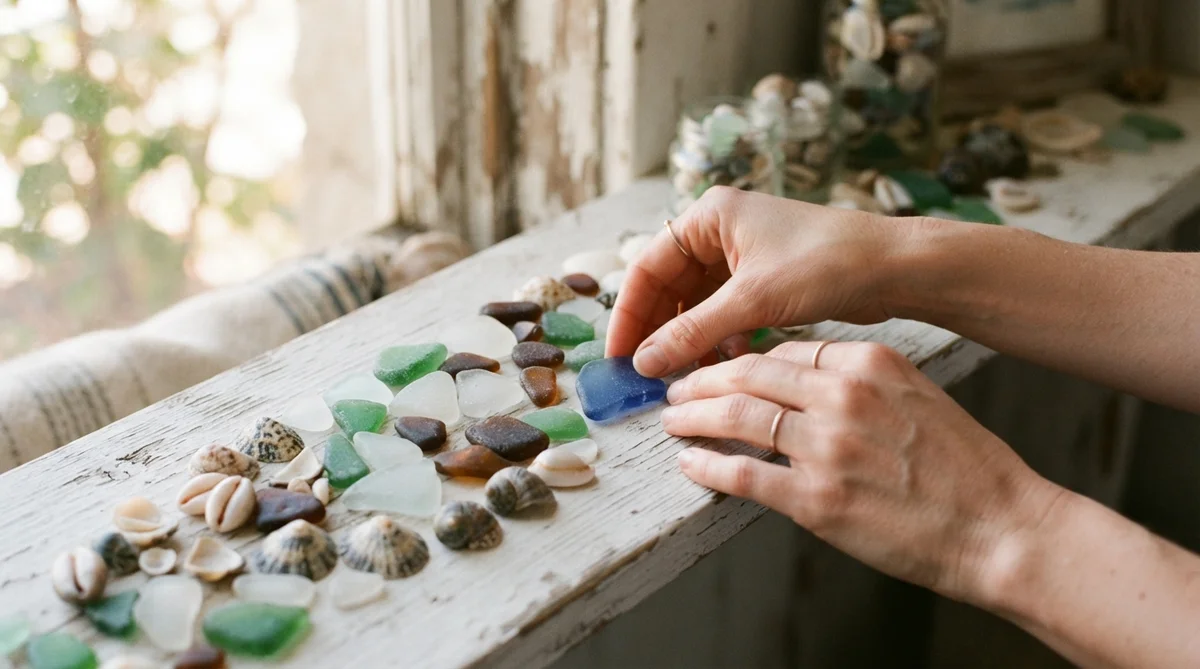
Avoid scattering small seashells across every surface. Group organic items together inside a single shallow wooden bowl or ceramic tray. Select two or three large, high-quality focal objects, such as a substantial piece of bleached driftwood or a single piece of weathered brain coral, rather than dozens of minor trinkets.
What Types of Artwork, Mirrors, and Stripe Patterns Fit Best?
Large-scale landscape photography, abstract ocean paintings, and vintage nautical charts fit naturally onto wide walls. Frame artwork in thin light-oak or brushed silver frames. Incorporating a curated style showcase coastal home accents collection like oversized wall mirrors framed in driftwood reflects light directly into darker corners.
Cabana stripes and subtle ticking stripes add traditional character to accent pillows and outdoor cushions. Keep stripe patterns muted, pairing soft cream with washed indigo or faded olive green.
Room-by-Room Styling Guide
Applying these principles room by room ensures consistency across the entire footprint of your home.
Living Room: Casual, Slipcovered Comfort
Anchor the living space with a large, neutral jute area rug. Position a deep, slipcovered sectional facing a low reclaimed-wood coffee table. Add visual warmth using blue ticking-stripe throw cushions, a textured rattan side chair, and a matte black floor lamp for evening reading.
Primary Bedroom: Serene Coastal Retreat
Focus on quiet relaxation by removing TV screens and clutter. A solid wood or upholstered linen bed frame sets a calm baseline. Layer crisp white percale sheets with a soft waffle-weave blanket in sea glass green.
- Bedding: 100% washed linen duvet covers in soft sand tones.
- Lighting: Pair of textured stoneware table lamps on oak nightstands.
- Floor cover: Soft wool-blend area rug laid over quiet timber flooring.
If your home relies on well systems or hard domestic water supplies, keeping bathroom fixtures free of scale build-up ensures guest spaces remain pristine. Reviewing comparisons like hard water vs soft water helps protect custom glass shower doors and ceramic vanities from mineral dullness over time. Similarly, learning practical tips for preventing calcium buildup in home appliances preserves your plumbing infrastructure.
Kitchen and Dining: Light Woods and Open Space
Keep kitchen lines clean by combining white shaker cabinets with light quartzite or butcher-block countertops. Use open shelving constructed from thick reclaimed timber planks to display plain white dinnerware and clear glassware. Hang two oversized rattan dome pendants over the central island to create an immediate focal point.
Outdoor Living: Porches and Weather-Proofed Seating
Extend living space onto porches and covered decks using weather-resistant furniture built from teak or synthetic all-weather wicker. Use high-performance exterior fabrics like Sunbrella for seat cushions to resist UV fading and moisture damage.
- Seating layout: Deep-seated wicker armchairs arranged around a central teak fire table.
- Outdoor textiles: Polypropylene flat-weave area rugs that can be hosed clean.
- Accent lighting: Solar-powered festoon string lights and glass hurricane lanterns.
What Are the Common Coastal Decorating Mistakes to Avoid?
Even well-intentioned decorating projects can stall if theme elements are overdone. Steer clear of these common design mistakes:
- Overusing literal motifs: Avoid wall signs with puns, anchor prints on every pillow, and plastic lighthouse statues.
- Ignoring contrast: A room painted entirely in bright white without warm timber or dark metal accents feels sterile.
- Choosing fragile furniture: Delicate, high-gloss furniture degrades quickly under casual home use; choose solid wood and washable fabrics instead.
- Matching everything: Avoid buying complete matching furniture showroom sets; mix vintage timber pieces with modern slipcovered seating.
Frequently Asked Questions
How do I decorate coastally if I live far from the ocean?
Focus entirely on texture, natural materials, and color palette rather than explicit ocean motifs. Light oak timber, linen upholstery, woven jute rugs, and soft green wall paints create a relaxed environment anywhere, regardless of your geographic distance from the sea.
Can coastal design work in homes with dark original woodwork?
Yes. You do not need to paint over historical dark wood trim. Balance dark woodwork by painting walls in crisp warm white, installing light natural fiber rugs over dark floors, and introducing light-colored slipcovered seating to soften the space.
What is the difference between coastal style and nautical style?
Nautical style relies on primary colors like bright navy, red, and yellow, alongside explicit maritime symbols like anchors, ship wheels, and thick dock ropes. Coastal style focuses on broader environmental elements: light reflection, organic textures, quiet neutrals, and comfortable living furniture.